Post #7
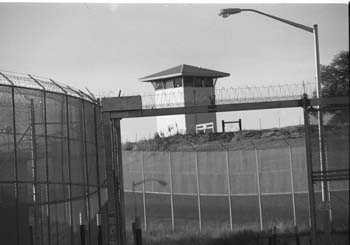
Society seems to be changing and more sexual predators are resurfacing around the United States. Sexual predators are seen in society as those who are sick and twisted people who have no sympathy for their victims. Negative images in the media and personal biases against the predator do not help them either. Legislation has put forth laws and sentencing guidelines for sexual predators. One controversial law in effect today is the Sexually Violent Predator Law. Sexually Violent Predator Laws provide security for the community by supplying long-term care of certain sex offenders after completion of a specific term of incarceration.
The Sexually Violent Predator Act defines a sexually violent offense as one of the following: rape, aggravated sexual battery, various sexual offenses involving minors, and other “sexually motivated” violent acts, (Parry, 2007: 262). The laws are used to confine offenders after they complete their prison term. The offender may be referred for treatment at a civil commitment facility. Once the offender is referred to the facility, he may or may not actually engage in the treatment. The level of civilly detained sexual offenders who enter into treatment even after the referral is quite low, (Cauley, 2007: 19).
Two researchers, Hanson and Bussiere, gathered data from 28,972 sexual offenders. On average, the sexual offender recidivism rate was low. Given the average of a 4-5 year follow-up period, 13.4% recidivated with a sexual offense. The recidivism rate for nonsexual violence was 12.2%, and for any recidivism was 36.3%. Rapists were slightly more likely to recidivate sexually with 19% than were child molesters with a 13% recidivism rate. Among child molesters, the rate of sexual offense recidivism was much lower than for incest offenders with a recidivism rate of 4% than for boy-victim pedophiles that had a 21% recidivism rate, (Kadane, 2008: 365). Some experts claim that the Sexually Violent Predator Law violates a variety of constitutional limitations on punishment. Many of the civil commitment laws contain the risk posed by sex offenders as a group, but all require adjudication of individual risk. Many of the notification and residential restriction laws impose restrictions on liberty based on legislative categories, with no requirement or opportunity for individual risk assessments, (Janus, 2008: 91). Society groups sex offenders as one, instead of specific types of sex offenders such as pedophiles, sexually violent predators, child molesters etc.
Another criticism of the law is that it does not link legal designation to a diagnostic condition that has no clinical significance and no known treatment. The American Civil Liberties Union as described the Sexually Violent Predator Law as “an exercise in lifetime preventive detention disguised as voluntary psychiatric treatment”, (Penn, 2003: 64). Some people believe that law is illegally locking up sexually violent predators against their will. Each violent predator is different and may not re-offend while others have a strong possibility to re-offend against the public.
Psychologists use the Sex Offender Needs Assessment Rating or SONAR to diagnose and evaluate which offenders fall in certain categories. SONAR is a dynamic risk assessment with nine items to look for in sex offenders’ lives. Five of those items have to do with issues of intimacy, social influences, attitudes of denial, sexual self-regulation, and general self-regulation. The remaining four items are related to issues of substance abuse, negative moods, anger or hostility, and victim access. The test shows issues that are not likely to change quickly, (Cauley, 2007: 20).
One famous critic against the law is the American Psychiatric Association. They argue that sexual deviance should not be considered a mental condition for purposes of justifying civil commitment. The APA is trying to get psychiatrists to not utilize the Antisocial Personality Disorder as the clinical basis for applying to have an individual civilly committed for involuntarily treatment and that the Antisocial Personality Disorder never warrants consideration as a mental disorder, disease, defect or abnormality for this purpose, (Weker). APA wants the legislation to know that they do not feel that by diagnosing a sexually violent offender that they will get the help they need. An Antisocial Personality Disorder describes qualities the offender has, yet warrants to merit to recidivism.
Whether it may be for or against the Sexually Violent Predator Law, one has to look at the bigger picture. Legislation removing the law puts an end to the programs operated by that law. The issue of the law being unconstitutional may also play a part in the breaking up the law. States may simply run out of money to continue expensive sex offender commitment regimes. Registration, notification, and residential restrictions appear to be low-cost, and are often enacted without forethought as to the real costs of enforcement, (Janus, 2008: 94). States are still making it an initiative to look after the sex offenders. A number of states have considered using colored license plates for sex offenders. Several states have enacted laws requiring sex offenders to stay in their homes on Halloween evening and to avoid any contact with children related to the holiday, (Janus, 2008: 90). A sex offender has the chance to re-offend only if society does not enact laws to punish them or hinder them from committing the crime in the first place.
References:
Cauley, Dean. (2007). “Risk Assessment of civilly committed sexually violent predators: Static Versus Dynamic Orientations”. Forensic Examiner. 16, (1), 18-26.
Janus, Eric. (2008). “Sexual Predator Laws: A Two-Decade Retrospective”. Federal Sentencing Reporter. 21, (2), 90-97
Kadane, Joseph. (2008). Statistics in the Law: A Practitioner’s Guide, Cases, and Materials. New York: Oxford University Press.
Weker, Jonathan, MD. (2006). “Eliminating the use of Antisocial Personality Disorder as a Basis for Civil Commitment.” Vermont Psychiatric Association.


